
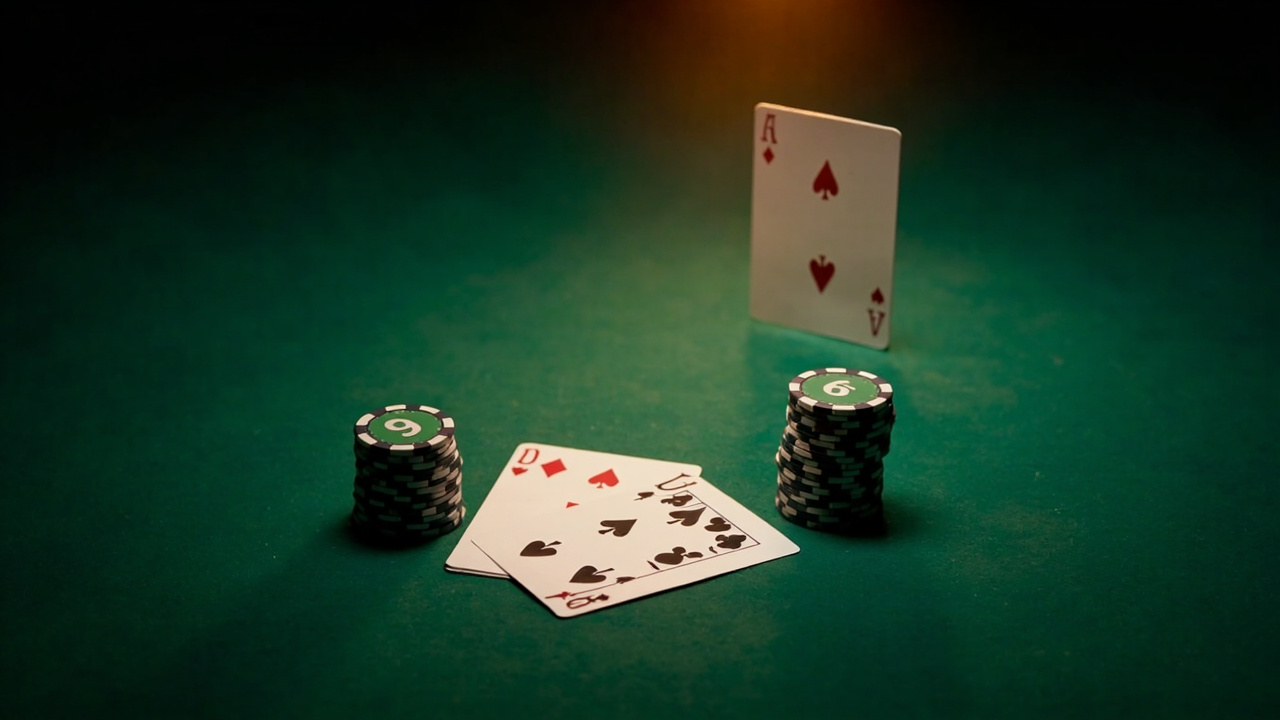
A journalist once sat me down after a Newcastle Jets strategy session and asked how a club turns tactical discipline into something supporters actually feel on a Saturday arvo. The answer was never about shouting louder; it was about reading the room, spotting the trigger, and acting while the window stayed open. Blackjack when to double down works the same way. You are not guessing at a whim. You are weighing a strong starting total, the visible dealer card, and the cost of an extra bet against the chance of turning a good hand into a weak one. Treat the decision like a commercial execution call: clear conditions, honest limits, and no ego.
Reading the hand is where most players lose their discipline. Doubling down is not a lucky stab; it is a measured bet that your next card will lift a promising total into a stronger position. The classic windows sit around hard totals like 10 or 11, especially when the dealer shows a weak upcard such as 5 or 6. In those spots, the maths leans toward improving your hand rather than standing pat. I have seen the same logic in project planning at the Jets: you commit extra resources when the expected return clearly outweighs the risk, not when the crowd is noisy and impatient. A sensible blackjack when to double down approach also respects the table conditions. Soft hands with an Ace can open a double on totals like 13 through 18 against a weak dealer card, but only if the rules allow it and the shoe has not skewed the odds against you. The trick is to treat the decision as conditional, not automatic.
The lobby and game mix at a casino review site shape how often you actually get those clean doubling opportunities. A well organised lobby separates table variants, live dealer streams, and RNG blackjack so you can find the rules that matter before you sit down. Providers matter too, because payout structures, surrender options, and deck counts change the value of a double. When I compare a commercial pitch to a fan activation, I want to know the inventory is sorted by what actually drives engagement, not buried under flashy banners. The same applies here: search filters, clear rule summaries, and a visible game mix help you identify where doubling down is mathematically reasonable and where the house edge has been tightened. If a lobby is busy as a training ground on finals weekend, you still need quick discovery and honest rule labels so you are not chasing a double on a variant that pays poorly or restricts the move entirely.
Bonus mechanics and payment conditions sit alongside the maths, not above it. A welcome offer can add playing credit, but the wagering requirements, eligible game weighting, and currency settings determine whether a double down is funded by real opportunity or by a requirement that eats into your balance. I have worked on partnerships where the headline figure looked generous until the fine print redirected the value elsewhere. The same scrutiny belongs here. Check whether blackjack counts fully toward playthrough, whether the site settles in AUD or a converted balance, and how fast verification and withdrawals actually move once you decide to step back. A clear registration flow and a mobile layout that keeps the same rules on a phone as on a desktop matter because doubling down is a split-second decision; you do not want clunky menus or hidden limits slowing you down when the dealer turns over a 6. If you want to compare how a site structures that welcome credit and the payment path around it, https://ozwinbonus.org/en-au/ lays out the bonus mechanics and the currency settings in one place, so you can see whether the offer actually supports the hands you plan to play.
Loyalty programmes and support round out the experience, but they should never distract from the core decision. Points, tier perks, and return mechanisms can soften the edges of a session, yet they do not change the basic rule that doubling down is a conditional move, not a loyalty reward. Good support matters most when a table rule looks unclear or a payment query slows things down, because a quick, honest answer beats a polished marketing line any day. I have seen fan engagement work when the club answers the actual question rather than the scripted one, and the same standard applies to a casino environment. Keep your focus on the hand, the dealer card, and the table rules, and treat everything else as background. When the conditions line up, the double is a deliberate play; when they do not, walking away is just good commercial sense.
Glossary
Double down – increasing your original bet after seeing your first two cards, usually in exchange for receiving exactly one more card.
Hard total – a hand without an Ace, or with an Ace counted as 1 to avoid busting.
Soft total – a hand containing an Ace counted as 11, which can still be adjusted without busting.
Upcard – the dealer’s face-up card, used to judge the likelihood of the dealer improving or busting.